UAE Market Insights
Track the signals behind the headlines across Dubai, Abu Dhabi, and Sharjah. Use these insights to plan offers, staffing, and campaigns for the weeks ahead.

If we’re running a business in the UAE, daily news can feel like background noise until it hits operations, staffing, bookings, compliance, or cash flow. This UAE news today roundup for 22 December 2025 is a quick, localised scan of what matters most across Dubai, Abu Dhabi, and Sharjah.
Listen to our audio summary above for key insights from UAE News Today — Top Stories & Updates | 22 December 2025.
We’re focusing on practical takeaways: policy and government process changes, transport and safety updates, major events and tourism demand, and a few market signals that affect planning for Q1 and Q2.
Details can change quickly, especially around public guidance and event operations, so we should still check official channels for live updates. For ongoing local business coverage, we can also keep an eye on the UAEThrive business blog.
Dubai’s story today is about easier cross-emirate movement for marine tourism, a bigger events pipeline, clearer public communication standards, and more signals that private capital wants a long-term seat at the table here.
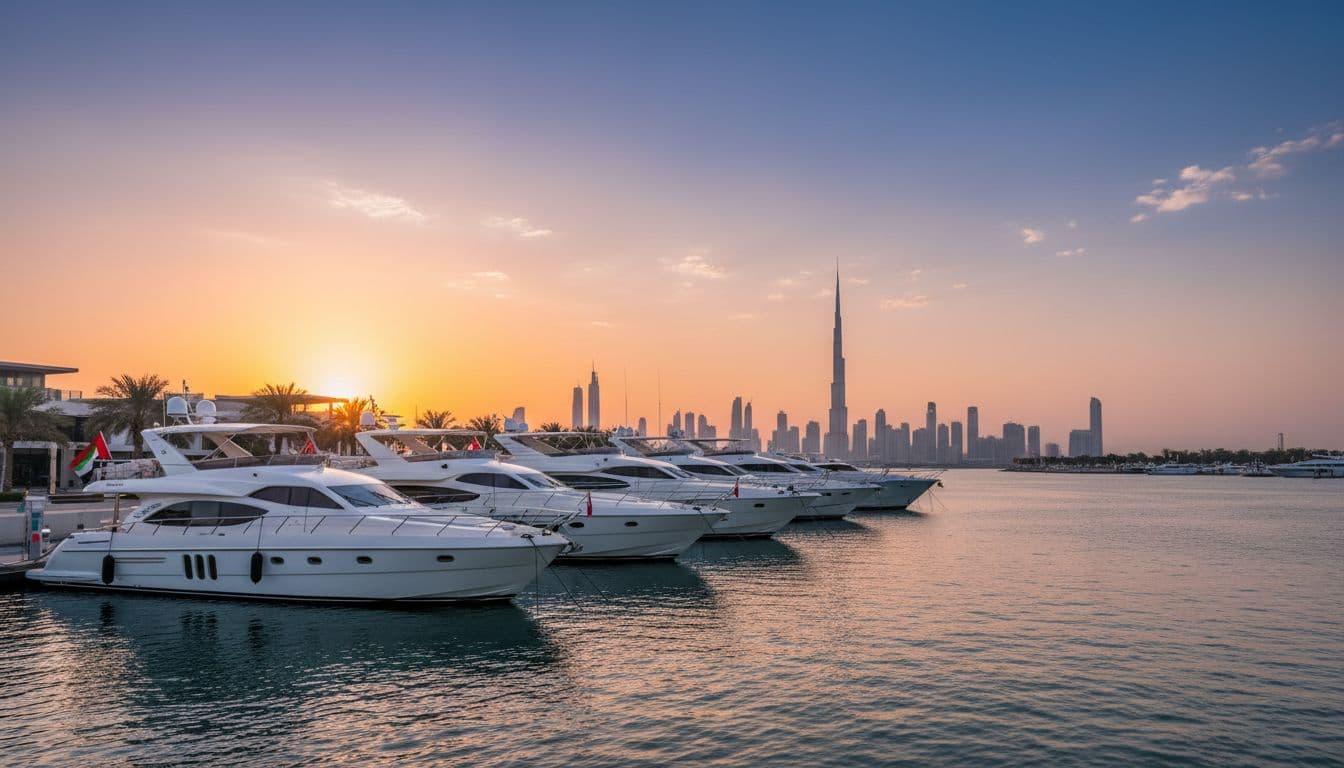 Luxury yachts in a modern marina with Dubai and Abu Dhabi skylines, created with AI.
From January 2026, foreign yachts moving between Dubai and Abu Dhabi should face fewer repeat steps. The headline change is mutual recognition of sailing permits, plus the waiving of repeated local entry and exit procedures that often create delays.
There’s also a technical shift that matters: data sharing via an API between parties, which should reduce duplicate checks and repeated document handling. In plain terms, fewer “submit the same thing again” moments.
This isn’t just boating-community news. It’s business news for:
We can read the official announcement here: simplified protocol easing yacht movements.
What should we prepare as a business? A short checklist helps:
A useful way to think about it: when paperwork friction drops, the “hidden cost” of every booking drops too.
Expo City Dubai is signalling strong momentum after a busy 2025, reporting 75+ events and hundreds of thousands of visitors, with a clear expectation that 2026 will be even larger. Activity across Expo City and the Dubai Exhibition Centre tends to ripple into the whole city, from Sheikh Zayed Road hotels to last-mile transport.
The practical point for SMEs is simple: more events usually means more purchase orders, but only for suppliers that get in early.
If we sell into the events economy, 2026 demand is likely to show up across:
One simple move we can make this week: plan Q1 to Q2 outreach. Build two or three clean packages (for example, “half-day support”, “full-day event crew”, “three-day exhibition bundle”) and send them to organisers, venues, and agencies before calendars fill up.
The official update is here: Expo City Dubai 2025 highlights and 2026 outlook.
Dubai government communication leaders have reinforced a “one voice” approach across entities, backed by an updated Government Communication Guide aligned with Dubai Plan 2033 and D33.
For most of us, the direct impact is on how fast and how clearly information moves during disruptions (weather, transport changes, public safety updates, operational rules). For PR teams, government-facing suppliers, and regulated sectors, it’s also a reminder to keep our own messaging tidy: consistent FAQs, clear customer updates, and staff briefings that match official guidance.
DIFC and IPEM have hosted private capital leaders, positioning Dubai as a growing hub for private markets, including themes like AI, data, and climate innovation. It also sets the stage for IPEM Future Dubai in May 2026 during Dubai Future Finance Week.
If we’re founders, advisors, or service providers, it’s a nudge to tighten our basics now: credible financials, clean corporate documents, and a clear story on where growth comes from. Capital moves towards clarity, not noise.
Sharjah’s updates today sit in three places many SMEs recognise: day-to-day safety, deal-making and exhibitions, and property demand. Put together, it reads like a city preparing for a busy 2026, while keeping a close eye on practical risk.
Sharjah Civil Defence has warned that phone chargers can trigger house fires when basic safety habits slip. The guidance is straightforward, and it’s worth repeating because it applies to homes, staff accommodation, and many small workplaces.
Key reminders we should act on:
For business owners, the risk isn’t abstract. One incident can mean injury, downtime, insurance claims, and reputation damage.
A quick checklist for landlords, facility managers, and retailers:
This was reported in Gulf News, based on Sharjah Civil Defence guidance.
Sharjah Chamber has hosted a Vietnamese trade delegation with the stated goal of expanding private sector investment and trade cooperation, with attention on start-ups, tech-based SMEs, and the opportunities created by the UAE-Vietnam CEPA. It’s the kind of meeting that can look ceremonial from the outside, but the business value comes from what happens next: introductions, distributor searches, and partner shortlists.
At the same time, Sharjah’s events calendar is staying active. The Sharjah Events Festival (running 21 to 24 December at Al Majaz Amphitheatre) is designed to showcase what’s coming in 2026, with family activities that also pull footfall towards nearby dining and retail.
The bigger business anchor is the forward calendar. Expo Centre Sharjah has flagged 95+ exhibitions and events in 2026, spanning sectors like manufacturing, real estate, jewellery, education, and retail festivals. For SMEs, that’s not “nice to know”. It’s a lead plan.
If we want to turn this into revenue, we can keep it simple:
For trade detail, we can refer to the Sharjah Chamber update reported by Zawya (we’re not linking here to keep this roundup focused and compliant with official-source linking).
Sharjah also continues to show strong property interest. Shurooq has reported very high unit sales across flagship projects and multi-billion dirham investment and partnership totals, which supports the view that demand is holding. For suppliers, this often shows up as steady work for fit-outs, facilities, landscaping, and community services.
For culture-led footfall, Sharjah Theatre Days is preparing for its 35th edition, with application and selection timelines set. That matters for venues, sponsors, and local suppliers supporting the arts.
If we’re trying to be discovered by buyers searching “near me” across Sharjah and beyond, it’s also a good time to check our visibility in the UAE business directory listings, especially in categories linked to events, property services, and community needs.
Across Abu Dhabi and the wider UAE, today’s signals cluster around trust, prevention, and scale: safety reputation, AI-supported transport controls, and rule updates that affect regulated services.
Abu Dhabi has been ranked highly in global safety lists for 2025, with other UAE cities also placing strongly. Beyond the headline, it influences practical business outcomes.
When a city is widely seen as safe, we usually see:
It also matches the tone of public guidance we’ve seen this winter: clear reminders about safe behaviour, responsible use of services, and preventing avoidable incidents. That’s good for business, because fewer incidents means fewer disruptions.
This safety ranking story was reported by Gulf News.
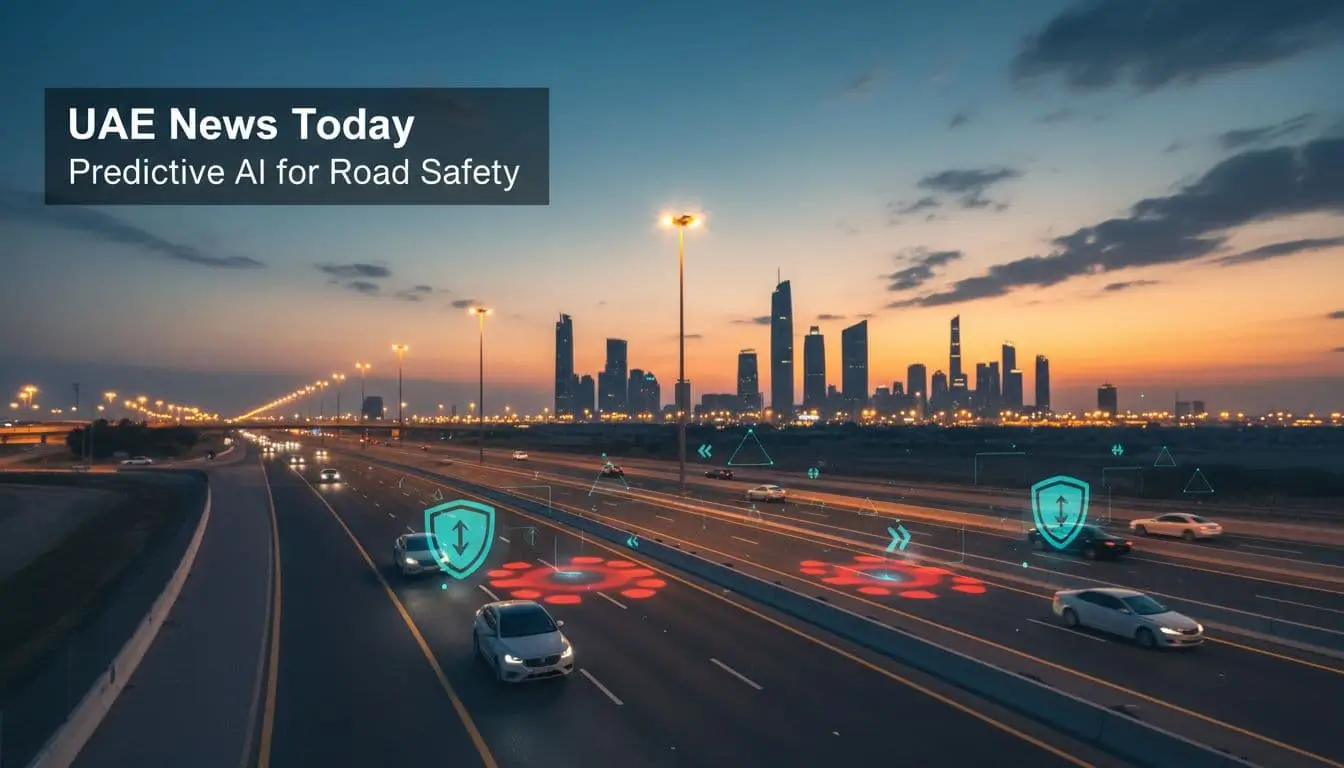
Abu Dhabi is deploying a real-time AI traffic safety system designed to predict high-risk areas and risky behaviours. The key shift is moving from reacting after incidents to preventing them before they happen, tied to the “Vision Zero” target of zero fatalities by 2040.
In simple terms, the system uses live data across roads and incidents to flag patterns, then supports smarter interventions. For residents, that can mean safer roads. For businesses, it changes decisions.
Where it can affect SMEs quickly:
Abu Dhabi has also seen updates to rules for veterinary practices through ADAFSA, including licensing requirements, approvals linked to hiring vets, and fines that can escalate with repeat violations. For clinics and pet services, compliance is part of customer trust, not just paperwork.
If we run a clinic or pet service, a simple checklist helps:
This regulatory change was reported by Arabian Business, and the road safety system was reported by Gulf News.
Abu Dhabi’s visitor economy also has strong near-term signals. CNN is set to broadcast New Year’s Eve coverage live from Abu Dhabi for the first time, and major entertainment events are already being promoted for 2026. For hotels, restaurants, transport providers, and attractions, these moments are like bright shop windows: global attention can turn into bookings if we’re ready.
Today’s UAE updates share a clear theme: practical improvements and clear standards. We’re seeing smoother inter-emirate processes (with yacht movements becoming less repetitive), a stronger events pipeline heading into 2026 (with Expo City Dubai pointing to higher vendor demand), and steady reminders that safety-first habits protect homes, staff, and business continuity.
Abu Dhabi’s AI-led road safety work and tighter vet clinic rules also show how governance is becoming more data-led and more compliance-focused, which rewards businesses that stay organised.
If we want to turn these signals into leads, the next step is simple: make sure customers can find us when demand spikes. We can add our company today using the free option here: Get your UAE business discovered for free.
Track the signals behind the headlines across Dubai, Abu Dhabi, and Sharjah. Use these insights to plan offers, staffing, and campaigns for the weeks ahead.
Get found when demand spikes from events, tourism, and local searches. Add your details once, then let customers discover you across the UAE.
Stand out in competitive categories like events, property services, and hospitality. Boost trust with stronger placement, richer content, and more clicks.
Want quick, practical guidance for getting more leads from UAE search and directory traffic? Book a short call and we’ll map out your next best steps.