Stay Ahead with UAE Market Insights
Keep up with key shifts in Dubai, Abu Dhabi and Sharjah before your competitors do. Use these insights to refine your 2026 plans, pricing and marketing in the Emirates.
View UAE Market Insights
The UAE news today for 8 December 2025 gives us a clear picture of where business, investment and daily life are heading across Dubai, Abu Dhabi, Sharjah and the wider Emirates.
Listen to our audio summary above for key insights from UAE News Today — Top Stories & Updates | 08 December 2025.
We see Dubai shaping greener, human‑centred neighbourhoods, Abu Dhabi doubling down on finance and AI, and Sharjah strengthening its position through culture and digital services. Alongside that, lifestyle events, travel offers and gold prices all feed into how residents spend, save and plan.
In this round‑up, we walk through the main government decisions, major investments, mobility changes, cultural events and corporate moves that matter to UAE‑based businesses and professionals. We keep the focus on practical impact: future demand, jobs, services and where SMEs can plug in.
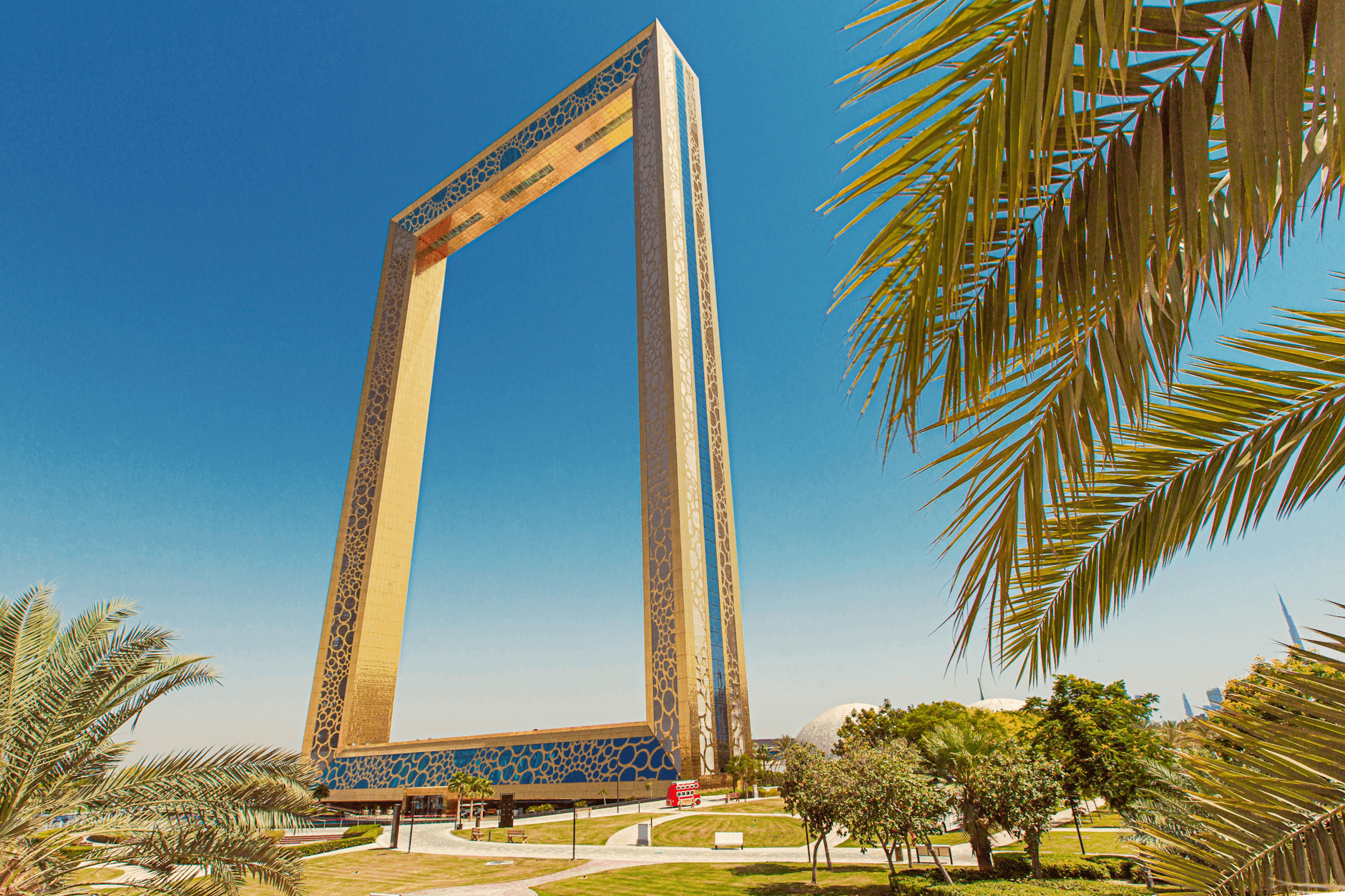
Stunning view of the Dubai Frame surrounded by greenery in Zabeel Park. Photo by Denys Gromov
Dubai’s decisions today are about daily life close to home, not just landmark projects. New neighbourhood parks, upgraded public spaces and easier shared taxis will influence where people live, how they move and where they spend. For SMEs listed on platforms like UAEThrive, these shifts can translate into steady local demand for years.
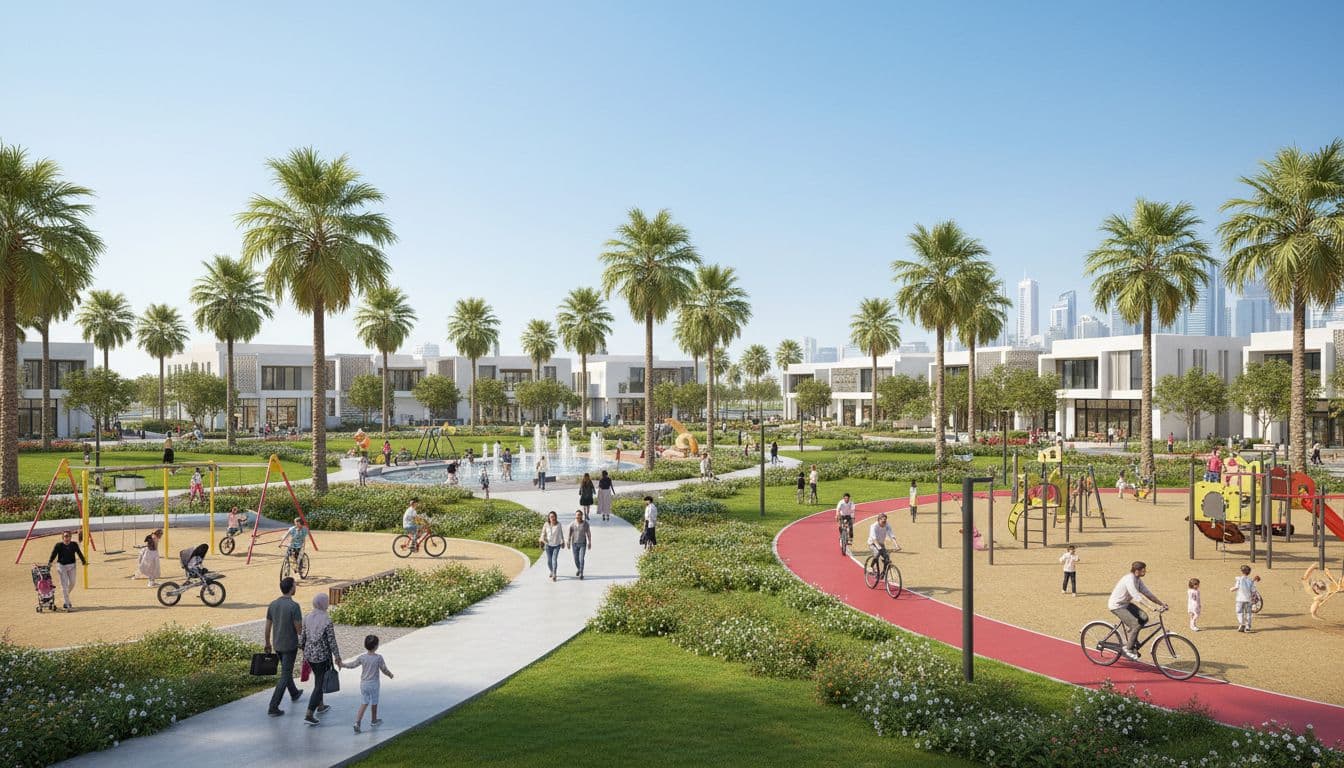
A visual of a family‑friendly Dubai neighbourhood park with walking and cycling paths, inspired by the new urban planning model. Image created with AI.
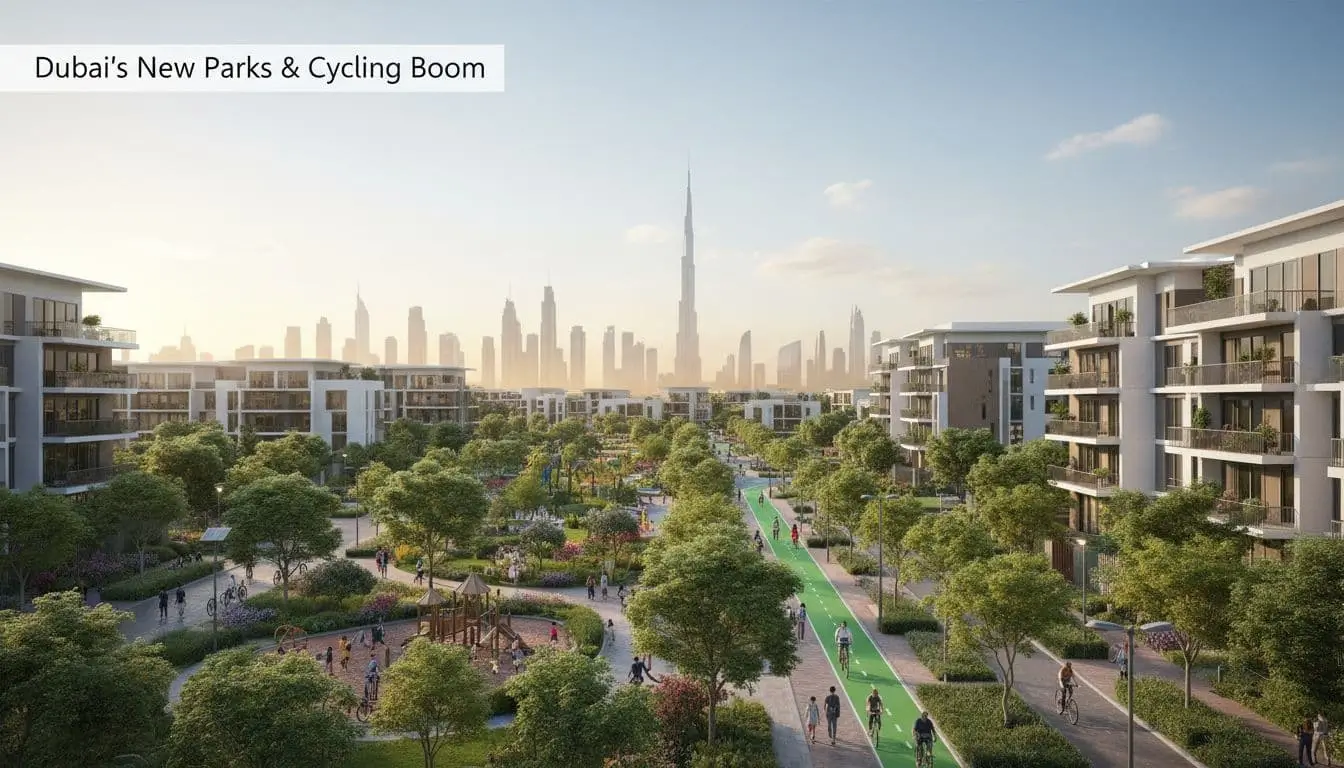
Sheikh Hamdan, chairing the Executive Council, approved a new planning model for citizens’ residential areas in Madinat Latifa and Al Yalayis. The plan adds 152 parks and 33 km of walking and cycling tracks, with green spaces placed so most homes sit within about 150 metres of a park.
The model brings back the “Fareej” community concept. That means stronger local centres with majlis facilities, wedding halls, schools, clinics, mosques and community clubs. In simple terms, more daily needs will sit within a short walk or short drive, especially for Emirati families.
For business owners, this is a strong signal. We can expect:
The decision also includes a Digital Resilience Policy for government services. Safer and more reliable digital platforms mean residents and companies will rely more on e‑services for payments, permits, licences and daily transactions. This reduces friction and supports businesses that build or integrate secure online tools.
Dubai’s planning approach sits in line with wider policy trends covered through the Dubai Government Media Office news centre, which often highlights projects that tie quality of life with long‑term economic growth.
Dubai Municipality and Shamal Holding have signed an MoU to activate and enhance selected parks, beaches and public facilities. The focus is on better amenities, curated events and a more consistent outdoor experience for residents and tourists.
For F&B outlets, leisure operators and events companies, this is an open door. We can picture:
Better managed public spaces also attract sponsors who want visible, community‑friendly campaigns rather than one‑off ads. SMEs that can deliver quality outdoor activations, from staging to sound or catering, will find more structured programmes to plug into.
Dubai’s Roads and Transport Authority is widening its trial for shared‑taxi services. Routes now cover links from Al Maktoum International Airport and Dubai World Trade Centre to several busy hubs in the city.
For commuters and visitors, ride sharing cuts individual costs while keeping a licensed, regulated service. For large offices and event venues, it can ease parking pressure and reduce the need for private shuttles on peak days.
Employers who move staff between Emirates, or who host conferences and exhibitions, can point teams and guests to shared‑taxi options as a practical alternative to private cars. Over time, this makes city‑wide mobility more predictable, which helps planning for shift workers, retail staff and hospitality teams.
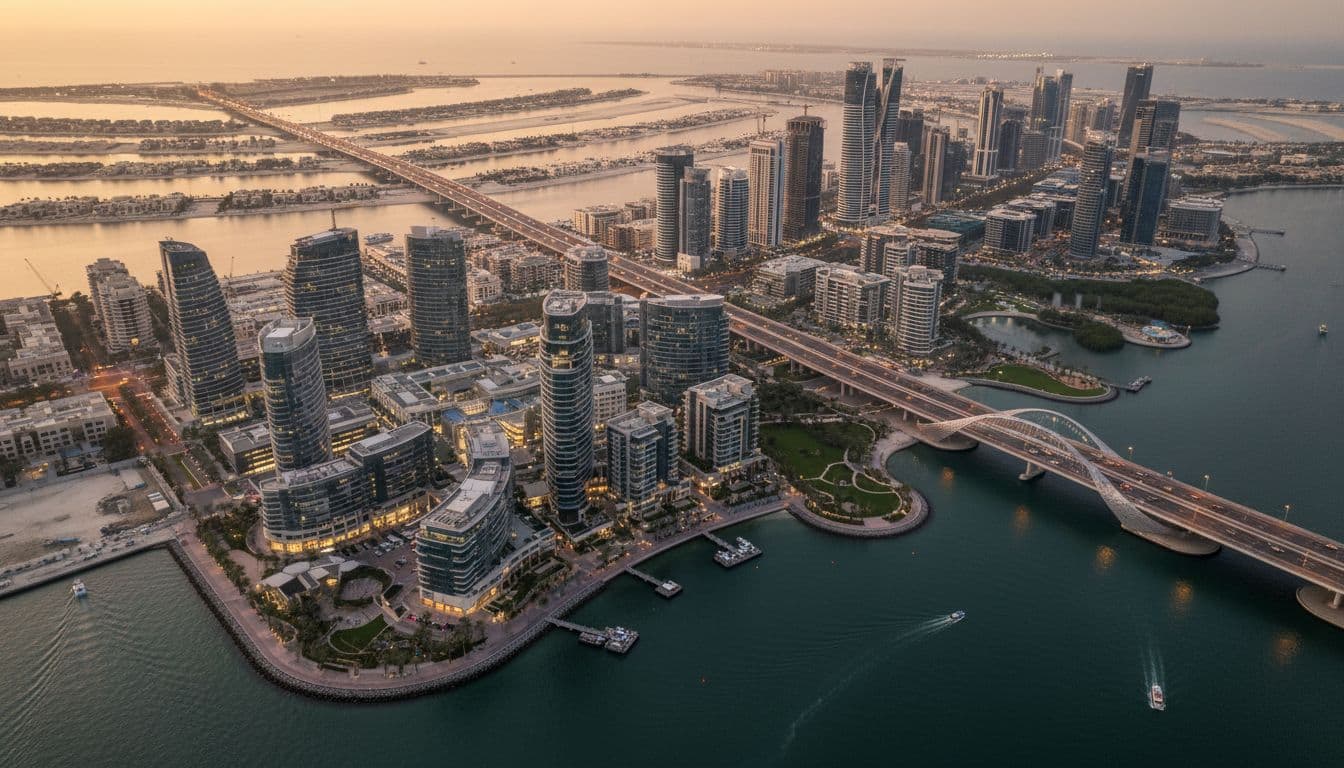
Conceptual aerial view of an expanded Al Maryah Island with new towers, hotels and waterfront promenades. Image created with AI.
Abu Dhabi is sending a clear message: the capital wants to be a leading global hub for finance, media, AI and high‑value healthcare. The projects and events in today’s news give SMEs and investors a roadmap for where opportunity is likely to gather.
Mubadala and Aldar will invest more than AED 60 billion into expanding Al Maryah Island, adding about 1.5 million square metres of new offices, residences, hotels, retail and waterfront attractions.
For workers and residents, this means more Grade A offices linked directly to Abu Dhabi Global Market, plus luxury apartments and serviced residences in a walkable, climate‑controlled setting. Hotels, fine dining and retail on the waterfront will make the area a full‑day destination, not just a place to work.
Local and regional businesses can expect:
SMEs that position themselves early as trusted suppliers for the island, even at a small scale, can grow alongside the development over the next decade.
Abu Dhabi Finance Week 2025 opens with a focus on AI adoption and the “capital network” that links investors, founders and financial institutions. At the same time, the Bridge Summit brings together global media and content leaders, while the Machines Can Think 2026 AI summit is announced as a new anchor event.
Alongside these forums, Abu Dhabi is promoting plans to create more than 120,000 jobs and add AED 228 billion to GDP through three strategic clusters:
For SMEs and start‑ups, this signals real opportunity in sectors such as fintech, media production, content creation, AI tools, logistics, agri‑tech, med‑tech and clean‑tech. These events are not just conferences; they are dense networking spaces that attract investors, corporate buyers and policy makers.
Abu Dhabi’s media push also aligns with national ambitions to position the UAE as a global content hub, supported by regulators such as the UAE Media Council. Service providers that understand local rules, licensing and content standards can gain an edge when partnering with international players.
Several global moves converge in Abu Dhabi this week. World leaders pledged about 1.9 billion US dollars to end polio, at a gathering hosted in the capital. Abu Dhabi also secured the Global Owners and Family Office Congress from 2026 to 2028, bringing hundreds of ultra‑high‑net‑worth investors each year.
On the travel side, Etihad’s partnership with German carrier Condor will open daily budget‑friendly flights from Frankfurt and Berlin from summer 2026.
Together, these steps strengthen Abu Dhabi’s profile as:
Healthcare providers, asset managers, law firms, tourism operators and education institutions can all benefit if they design services that speak to international visitors and investors, not just local clients.
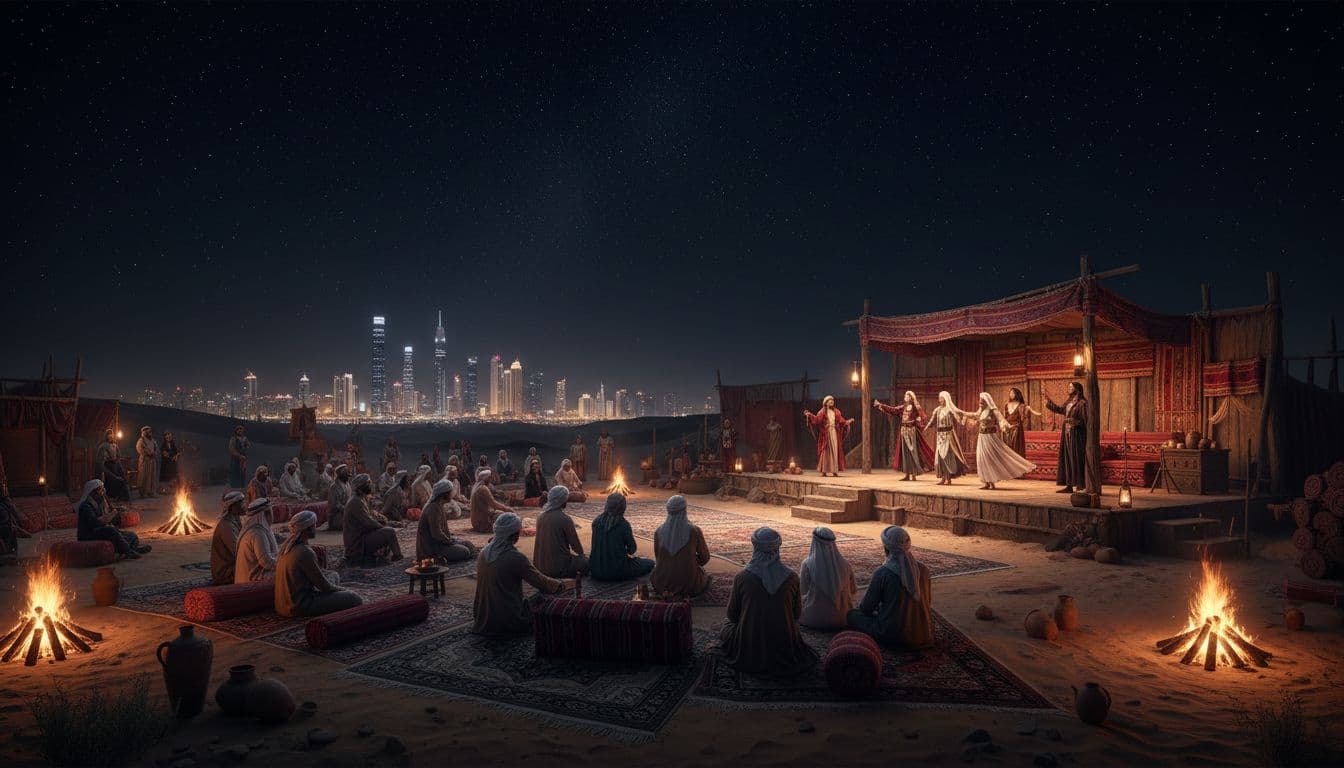
Concept scene of the Sharjah Desert Theatre Festival with a night performance under the stars. Image created with AI.
Sharjah continues to build its reputation through a mix of culture, efficient digital government and strong regional air links. For Northern Emirates SMEs, this can translate into more visitors, smoother property transactions and new cross‑border clients.
The Sharjah Desert Theatre Festival opens on 17 December with six Arab theatrical performances from five countries, bookended by Emirati plays. The setting in the desert, combined with regional casts, creates a distinctive experience that draws culture‑minded residents and tourists.
Add to that the “Let’s Majaz” concert season at Al Majaz Amphitheatre, including Tamer Hosny and Maha Ftouni on 17 January. In Abu Dhabi, Katy Perry’s closing concert for the F1 weekend has already shown how global acts lift demand for hotels, restaurants and transport.
For SMEs in events, F&B, media and tourism, these shows mean:
Planning targeted offers around event dates, with clear timing and simple bundles, can turn cultural traffic into repeat local customers.
Sharjah’s Aqari rental platform, now part of Digital Sharjah, has been upgraded into a unified, largely paperless system. Tenants and landlords can use UAE Pass to handle lease contracts, move‑in and move‑out requests and links to utilities, in one place and at any time.
For residents, that means faster approvals, clearer documentation and fewer in‑person visits. For landlords, agencies and property managers, it cuts processing time and standardises compliance across the emirate. Smaller real‑estate firms gain a level playing field when processes are consistent and digital.
Sharjah Airport is also adding Caspian Airlines flights from Tehran, Lamerd, Qeshm, Shiraz and Bandar Abbas. These routes support trade, medical tourism and visiting‑friends‑and‑relatives travel from Iran.
Logistics firms, clinics, hotels, serviced apartments and retailers in Sharjah can all benefit by tailoring packages, language support and payment options for this growing visitor segment.
The final set of stories today affects resident wallets, weekend plans and SME strategies. They revolve around health and ESG, event‑driven footfall, travel deals and shifting retail habits.
Novartis, working with Pink Caravan, has run a UAE‑wide workplace breast cancer awareness and early‑detection campaign. Screenings in offices bring health checks closer to women in full‑time roles and highlight how early diagnosis can save lives, especially as regional cases often appear at younger ages.
At the same time, Dubai Chambers has signed an MoU with Ahya Technologies to help companies measure and report emissions using AI tools, tied to ESG labels and future climate regulations. For many firms, this is a sign that sustainability reporting is moving from “nice to have” to a core compliance requirement.
From the content side, Arab actresses at the Bridge Summit are calling for more women writers in film and television, to present real, diverse female characters rather than repeating old stereotypes.
Together, these signals point to three themes that UAE employers and creators can act on:
For SMEs, even small steps in these areas can build trust with staff, customers and partners.
Major events continue to anchor the winter season. Sole DXB returns to Dubai Design District as part of Dubai Shopping Festival, mixing music, streetwear, talks and tournaments. Pitbull’s show at Coca‑Cola Arena on 14 December, plus many New Year’s Eve dinners under AED 500, keep the calendar full.
For venues, retailers and F&B operators, these dates are strong drivers of footfall. Clear event‑linked offers, extended hours and well‑trained temporary staff can turn high traffic into higher spend and good reviews.
Travel deals also influence behaviour. Cebu Pacific’s Dh1 base fare campaign from Dubai to Manila will shape plans for Filipino residents and budget travellers in 2026, while Dubai winter, officially starting on 21 December, invites more outdoor gatherings and local trips. SMEs can mirror these patterns with seasonal bundles, such as “winter picnic” catering, staycation add‑ons or airport transfer packages.
On the retail side, gold prices in Dubai remain high, and 14K jewellery is growing in fashion niches. Yet 22K still dominates as the preferred store of value. Jewellery businesses can respond by expanding 14K designs for style‑driven buyers, while keeping 22K as the core investment range.
Finally, the profile of a Kashmiri entrepreneur building a smart‑home company in Dubai highlights another trend. Residents increasingly want integrated lighting, security and energy controls, especially in villas and premium apartments. That opens space not only for system integrators, but also for electricians, interior designers and maintenance firms who understand connected homes.
The headlines from 8 December 2025 point in a clear direction. Dubai is investing in human‑centred neighbourhoods, green spaces and safer digital services. Abu Dhabi is building its future around finance, AI, innovation clusters and global partnerships. Sharjah is combining culture with strong digital government and regional air links. Across the country, health, ESG reporting, events and consumer behaviour are shaping how we all work and do business.
For SMEs, professionals and investors, the question is how to turn these signals into action this week. A few focused steps can make a real difference.
Practical takeaways for the coming days:
If you want more customers to find your services while these trends play out, it helps to be visible where people search. You can add or update your company profile on UAEThrive and get discovered by local clients by creating a free listing here: https://uaethrive.com/get-your-uae-business-discovered-for-free.
Keep up with key shifts in Dubai, Abu Dhabi and Sharjah before your competitors do. Use these insights to refine your 2026 plans, pricing and marketing in the Emirates.
View UAE Market InsightsAdd your company to the UAEThrive directory and reach customers searching across the Emirates. It is free to join and only takes a few minutes to publish your profile.
Create Free Business ListingUpgrade to a premium listing to appear in priority positions for your city and sector. Ideal for SMEs that want more calls, more enquiries and stronger local branding.
Explore Premium VisibilityTalk through your UAE marketing and lead generation with our team. We will review your current presence and suggest practical next steps for the coming quarter.
Book Your Free Call