More traffic doesn’t always mean more leads or sales. For many UAE businesses, better results come from improving trust, clarity, speed, and lead capture, not from chasing extra clicks.
That matters even more in Dubai, Abu Dhabi, Sharjah, and across the UAE, where mobile-first browsing is now the norm. Many business sites convert only around 1 to 2.5% of visitors, while stronger sites often reach 3 to 5% after practical fixes. Broader global conversion benchmarks also show how much results vary by device and sector.
You don’t need a full rebuild to improve. You need a site that feels local, loads fast, and makes the next step obvious.
Key takeaways
- Put trust signals near the top of the page, not buried in the footer.
- Say what you do, who it’s for, and how to act within seconds.
- Make mobile pages fast and easy to use with one thumb.
- Shorter forms and clearer offers usually lift enquiries.
For more practical ideas, see our website conversion tips
Make visitors trust your business within the first few seconds
A website is like a shopfront on a busy road. If the front looks uncertain, people keep walking. The same happens online.
New visitors often decide within seconds whether your business feels real. In the UAE, that judgement often depends on local proof. Show your UAE address, local mobile or landline number, WhatsApp contact, business hours, and a clear contact route near the top of the page. If your sector uses it, include trade licence details too.
Reviews matter as well. A visitor comparing three firms will often trust the one with recognisable local feedback, especially if the reviews mention places such as Business Bay, Khalifa City, Jumeirah, or Al Majaz. For online payments, show familiar payment options and a simple privacy or returns policy. Don’t make people hunt for reassurance.
If visitors can’t tell you’re local and legitimate, many won’t fill in a form.
A complete local profile also helps off-site visibility. If your business still needs stronger local presence, this guide to free UAE business listing explains how accurate business details, reviews, and contact information can support trust and discovery.
Use local proof that feels real, not generic
Generic praise doesn’t help much. “Great service” could describe anyone.
Use testimonials that sound grounded. A Dubai law firm can show comments from business owners in DIFC or JLT. A clinic in Abu Dhabi can highlight patient reviews about booking speed, staff care, or aftercare. A Sharjah contractor can share before-and-after project photos and a short case study by service type.
This works across sectors, including retail, healthcare, education, property, and professional services. If part of your audience prefers Arabic, offer real Arabic-language support on key pages or through WhatsApp. That often removes hesitation for Arabic-speaking visitors and improves response quality.
Show contact details and next steps clearly
Many users want proof that you’re truly based in the UAE before they enquire. So show the basics without hiding them.
A visible UAE number, email address, map location, and WhatsApp button reduce friction. Then add one clear call to action, such as “Book a consultation”, “Request a quote”, or “Check availability”. When the next step is obvious, visitors don’t have to guess.
Clear messaging helps the right customers act faster
A surprising number of websites lose leads because the message is muddy. The visitor lands, scrolls a little, and still doesn’t know what the business does.
Your homepage or landing page should answer the basics in plain English. Use a simple headline, one main promise, and short supporting text. Avoid stacking every service, award, offer, and announcement above the fold. Too many messages cancel each other out.
Keep language practical. A visitor doesn’t need clever wording. They need certainty. For service businesses, list your service categories clearly and use short sentences. If your audience is mixed, add Arabic options where useful, especially for contact and booking paths.
If you want more ways to improve results, read our how to improve website conversions guide.
Answer the visitor’s first three questions straight away
Most visitors want three answers fast: what do you offer, who is it for, and how do I get started?
Put those answers near the top, especially on mobile. For example, a law firm might say it helps SMEs with company setup, contracts, and disputes across Dubai and Abu Dhabi. A clinic might state its key treatments, who it serves, and how to book. A salon could name its core services, location, and booking method in one clean section.
Short copy wins here. So does clear layout.
Match each page to one goal, not five
Each page needs one main job. A homepage might guide users to the right service. A service page might drive quote requests. A landing page from paid ads might push one booking or WhatsApp action.
Problems start when one page tries to do everything at once. Sliders, pop-ups, competing buttons, and unrelated offers split attention. As a result, fewer people act.
Pick one primary goal for each page, then support it. That goal might be a call, WhatsApp chat, appointment booking, quote request, or checkout. Anything that doesn’t help that action should move lower down or go.
Faster mobile pages can lift conversions without changing your offer
If your page is slow, your marketing budget leaks before the sales message even appears. That hurts SEO, paid traffic, and word-of-mouth referrals.
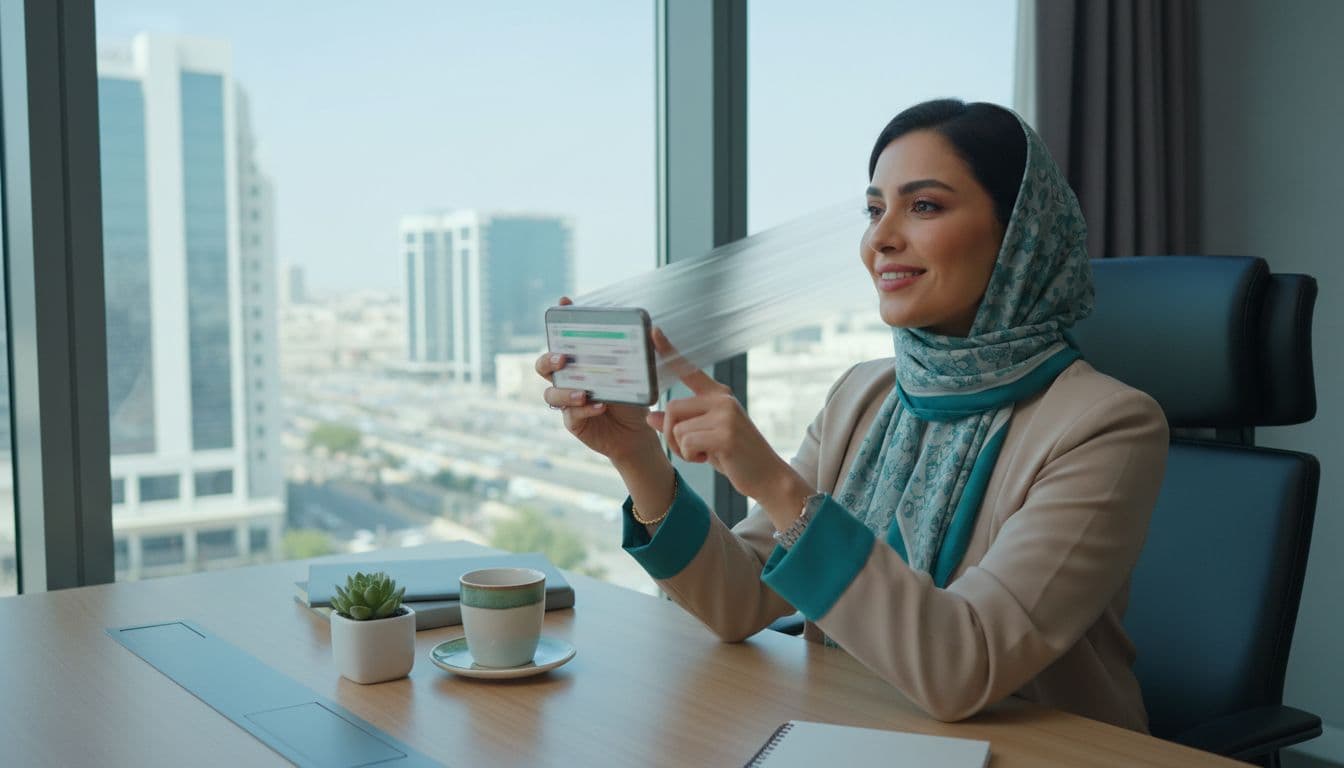
For many UAE SMEs, mobile is now the main source of traffic. It’s common to see most visits come from phones, especially from Google Search, Maps, Instagram, and WhatsApp shares. Mobile users are often in a hurry as well, so patience is limited. Pages that load in about two seconds or less usually give you a better chance to hold attention. Slower sites tend to lose people early, and recent page load time statistics for 2026 reinforce how strongly speed shapes user behaviour.
Fix the biggest speed problems first
Start with the obvious issues. Oversized images, heavy homepage sliders, too many scripts, weak hosting, and fancy effects often slow small business sites more than owners realise.
Compress hero images hard. Remove anything decorative that doesn’t help the user act. Keep plugins lean. Core Web Vitals still matter because they affect both user experience and search visibility. You don’t need to know every technical term. You only need to know that a faster page usually wastes less ad spend and loses fewer leads.
Design for thumbs, small screens, and quick decisions
Mobile conversion often trails desktop slightly, so the journey must feel easier, not harder.
Use large tap-friendly buttons. Keep font sizes readable. Avoid tiny menus and packed layouts. Make forms short enough to complete on a phone while standing in a lift or sitting in a taxi. Sticky call or WhatsApp buttons can help, especially for clinics, trades, property services, and urgent enquiries.
Most importantly, never force users to pinch and zoom. If a visitor has to fight the page, the page usually loses.
Stronger lead capture turns interest into real enquiries
Some websites attract decent traffic but collect very little from it. The problem is rarely demand alone. More often, the form is too long, the offer is weak, or the follow-up path feels uncertain.
Lead capture should feel easy and worthwhile. A service business doesn’t need a ten-field form asking for every detail upfront. It needs a simple next step that suits the buyer’s stage. In many UAE sectors, that means quote requests, WhatsApp enquiries, booking requests, price estimates, or short callback forms.

Make forms shorter and offers more useful
Ask only for what you need to start the conversation. Name, phone, email, and one message box are often enough. If WhatsApp is popular with your audience, make that option prominent.
The offer matters too. “Submit” is weak. “Request a quote”, “Book a call”, and “Get a price estimate” are clearer and more useful. One strong promise beats several vague choices. For example, a consultant might offer a 15-minute discovery call. A contractor might offer a same-day estimate. A school might offer a campus tour booking.
Track what happens after the click
Page views don’t tell the full story. Measure calls, WhatsApp leads, form fills, bookings, and the pages where users drop off.
Then test one change at a time. Try a new headline, a shorter form, or a different call to action. Small tests are easier to trust because you can see what changed. If you want better local visibility as well as better enquiry flow, you can Get Your UAE Business Discovered for Free and support both discovery and conversion together.
A higher conversion rate usually starts with fewer doubts, not louder marketing. When UAE businesses build trust quickly, explain their offer clearly, speed up mobile pages, and simplify lead capture, more visitors turn into real enquiries.
That’s the practical path forward. Improve what people see in the first few seconds, and the rest of your marketing works harder.
For a fuller breakdown, read our 15 ways to win more customers guide.
For businesses that also want stronger local visibility across the Emirates, Get Your UAE Business Discovered for Free.